
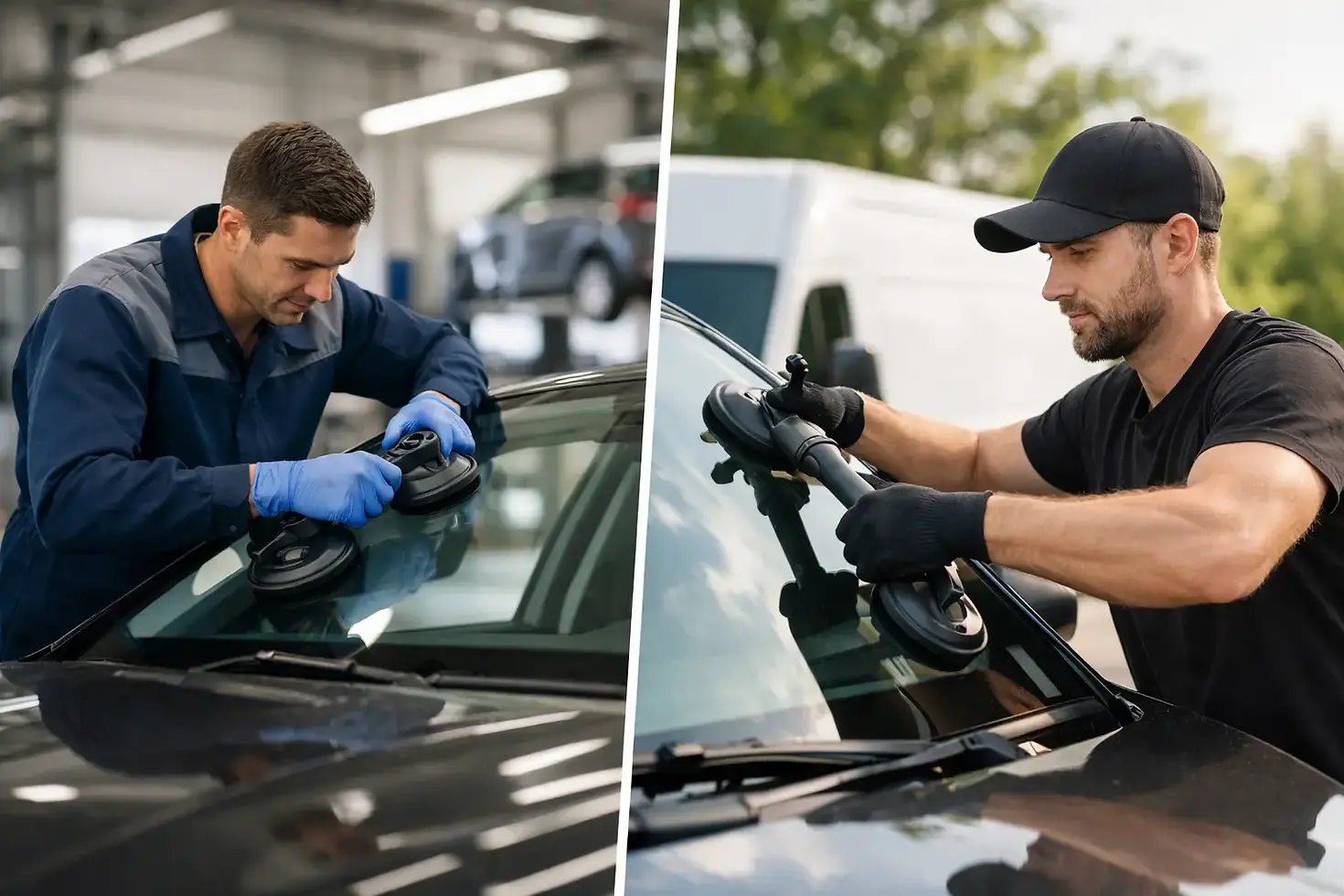
Dealer Glass Service vs Local Specialist
- glasstekautoalamed
- 5 days ago
- 6 min read
A cracked windshield can turn a normal commute across Alameda into a safety problem fast. When comparing dealer glass service vs local specialist, the best choice is not automatically the dealership or the lowest quote. It is the provider that can identify what your vehicle needs, use the right glass and procedures, and stand behind the work.
For many drivers, the dealer feels like the safe default. They know the vehicle brand, they have access to factory information, and they may coordinate service while the car is already in the shop. A qualified local auto glass specialist can often provide the same critical result with faster scheduling, focused expertise, and a more direct repair experience. The details matter.
What a Dealer Glass Service Usually Provides
A dealership is built around your vehicle manufacturer. If your car is at the dealer for warranty work, collision-related repairs, maintenance, or a diagnostic issue, adding windshield replacement may feel convenient. The service advisor can be your single point of contact, and the dealership may arrange the glass work without asking you to find a separate provider.
That convenience can be valuable, especially for a newer vehicle with advanced driver-assistance systems. Cameras and sensors mounted near the windshield may require calibration after a replacement. Dealer technicians have access to manufacturer procedures, and the dealer can confirm which original equipment parts are specified for your VIN.
Still, many dealerships do not perform every glass installation in-house. They may schedule a third-party glass company to do the work, then manage the transaction through the dealership. That does not make the repair unreliable, but it does mean you should ask who will actually remove the old glass, install the new one, and calibrate the vehicle afterward.
You should also ask whether the quoted price includes molding, clips, adhesive, disposal, camera calibration, and any required post-installation checks. A quote that sounds simple can grow once those necessary items are added.
Where a Local Auto Glass Specialist Can Be the Better Fit
Auto glass is not a side service for a focused specialist. It is the work they perform every day. That concentration matters because windshield replacement is more than placing new glass in an opening. The installer must protect the vehicle's paint and interior, remove damaged urethane correctly, prepare the bonding surface, use the proper adhesive, and allow the adhesive to cure according to its safe drive-away time.
A local specialist is also often easier to reach when the situation is urgent. A rock chip can spread after a cool Bay Area morning, a sudden temperature change, or a rough section of road. With direct scheduling, you can get a clear answer about whether the damage is repairable, what the job will cost, and when your car can safely return to the road.
For Alameda drivers, local accountability matters too. You want a shop that is available if you have a question after installation, notice wind noise, or need warranty support. GlassTek Auto is built around that focused, local approach: clear communication, professional workmanship, and a satisfaction guarantee without making a windshield problem more complicated than it needs to be.
Dealer Glass Service vs Local Specialist: The Real Differences
The decision usually comes down to four factors: vehicle requirements, technician capability, cost clarity, and convenience.
Vehicle requirements come first
If your vehicle has a windshield-mounted camera, rain sensor, heated glass, acoustic glass, heads-up display, or lane-assist features, replacement must account for those components. The windshield is part of the vehicle's safety system, not just a barrier against wind and debris.
A dealer may be the logical choice if your vehicle has a warranty-related concern or if there is a manufacturer-specific issue that needs attention at the same appointment. But a local specialist can be equally qualified when they have the correct replacement glass, follow manufacturer procedures, and can perform or arrange the required calibration.
Do not assume calibration is included simply because a provider mentions it. Ask directly: Will my vehicle need calibration? Is it static, dynamic, or both? Is it performed after installation? Will I receive documentation that it was completed? Straight answers are a good sign.
Part quality deserves a plain-English answer
You may hear terms such as OEM, dealer glass, original equipment equivalent, and aftermarket glass. They do not all mean the same thing.
OEM glass is made to the vehicle manufacturer's specifications and may carry the vehicle brand's logo. Original equipment equivalent glass is designed to meet comparable fit, safety, and performance requirements but may come from a different manufacturer. Quality aftermarket glass can be a sound option for many vehicles, particularly when managing an insurance deductible or paying out of pocket.
There is no one right answer for every car. A driver with a late-model luxury vehicle, a heads-up display, or a lease return approaching may prefer OEM glass. A commuter with a straightforward windshield replacement may reasonably choose high-quality equivalent glass. What matters is that the provider explains the options, confirms compatibility with your vehicle features, and does not substitute a part without your approval.
Cost should be clear, not merely low
Dealership pricing can be higher because of administrative overhead, manufacturer-branded parts, and the convenience of bundling work. That price may be worthwhile when it solves several problems in one visit.
A local specialist may offer a more competitive quote because auto glass is their core operation. The best comparison is not one number on the phone. Compare the complete scope of work: glass type, labor, molding or trim, calibration, mobile service if offered, warranty, taxes, and the earliest available appointment.
Insurance can change the calculation. Many comprehensive policies cover windshield repair or replacement, subject to a deductible and policy terms. A reputable provider should help you understand the process without pressuring you to file a claim that does not make financial sense. If your deductible is close to the replacement cost, paying directly may be simpler.
Convenience is about downtime, not just distance
A dealership may be convenient when your car is already there. Otherwise, its schedule may be tied to broader service department availability. A specialist can often devote more attention to getting a damaged windshield assessed and replaced promptly.
Ask how long the vehicle must remain parked after installation. The answer depends on the adhesive, temperature, humidity, and vehicle design. A responsible shop will give you a safe drive-away time rather than rushing you out the door. If calibration is required, ask whether it can happen the same day and whether it adds time to the appointment.
Questions That Help You Choose With Confidence
Before authorizing work, get direct answers to a few practical questions. Who is performing the installation? What brand and type of glass will be used? Does my vehicle require camera or sensor calibration? What does the quoted price include? What warranty covers installation problems such as leaks or wind noise?
Also ask whether a chip can be repaired instead of replacing the windshield. Repair is usually the better value when the damage is small, outside the driver's primary viewing area, and has not spread into a long crack. A good shop will not sell a replacement when a safe repair is still possible. On the other hand, delaying a repair can allow a manageable chip to become a replacement job.
Be cautious of any provider that gives vague answers about glass origin, calibration, or cure time. Windshield work affects visibility, airbag support, roof strength, and the performance of safety technology. You do not need to become an auto glass expert, but you should expect professional answers.
When Each Option Makes Sense
Choose the dealer when the glass issue is tied to active warranty work, a manufacturer concern, or an existing appointment that makes coordination genuinely easier. It can also make sense when you specifically want dealer-branded OEM glass and accept the associated price.
Choose a local specialist when you need prompt attention, clear options, focused windshield expertise, or a direct relationship with the people responsible for the work. For many routine repairs and replacements, a qualified specialist delivers the same safety-critical standards while reducing wait time and unnecessary cost.
The badge on the building is not the deciding factor. Ask who will do the work, how they will protect your vehicle's safety systems, and what happens if you need help after the installation. The right answer is the one that gets you back behind the wheel with clear visibility and real confidence.


Comments